

Spices in the Middle East
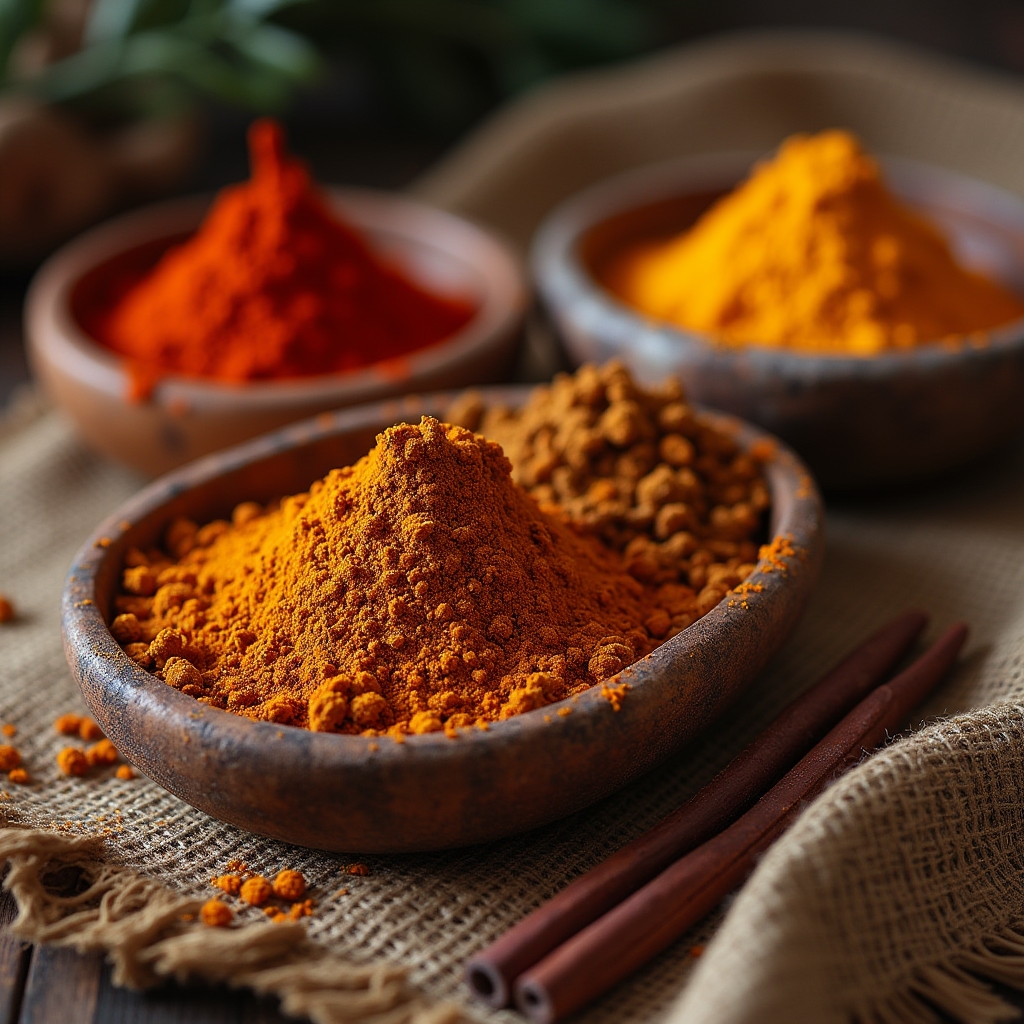
In the Middle East, spices are an integral part of both traditional and modern cuisine. The unique combination of flavors and aromas found in spices makes them an inseparable part of local and delicious food.
In countries like Israel, Jordan, Syria, Iraq, and others, spices are used not only to enrich the taste of food, but also to maintain human health and vital diversity.
Spices in the Middle East contain many natural plant materials that have medicinal and health properties. Some examples of such spices include cumin, caraway, oregano, and cumin.
“Using a variety of spices helps maintain a balanced diet and good bacteria concentration in the digestive system.”
Dr. Naomi Cohen – Nutritionist
Using spices as part of daily nutrition helps improve digestion processes, reduce inflammation in the body, and strengthen the immune system. Additionally, spices in the Middle East have antioxidant properties that protect cells from oxidative damage.
In summary, spices in the Middle East are not just a culinary supplement, but also an important source of natural medicines beneficial for health. The use of spices helps preserve vital diversity and improve overall quality of life.
Spices in the Persian Gulf
In the Arab world, spices play an important and central role in traditional cuisine. Each spice adds a special taste and aroma to dishes, and is an integral part of the local culture. One of the most famous regions in the world for using spices is the Persian Gulf, which includes countries like Iran, Iraq, Turkey, and more.
In the Persian Gulf, the use of spices is considered an ancient folk tradition, and they are used not only to enhance the taste of dishes, but also to preserve vital diversity and create artistic freedom in the kitchen. The different spices are also used for scents and colors, adding a unique and personal twist to each dish.
In the Persian Gulf, a wide variety of spices can be found, such as cumin, turmeric, oregano, cumin, and more. Each one enhances the dish with its unique taste, adding depth and texture. The use of spices in Arab cuisine is one that cannot be ignored, as they are an integral part of tradition and local culture.
“Arab tradition teaches us to preserve fresh and quality spices, which are important for improving the taste of dishes.”
Yael Bar On – Food Blogger
In conclusion, spices in the Persian Gulf are an important and central part of Arab cuisine, preserving vital and ancient diversity in the culinary world. The use of spices is a perfect way to create special and fascinating dishes that combine tastes and scents, providing a unique and special culinary experience.
Spices in North Africa
The Arab world contains a number of unique spices used in traditional foods and ancient lifestyles. These spices contain natural ingredients that are beneficial for health and digestion, and also add a unique taste and scent to dishes. In North Africa, spices are an integral part of local cuisine and are considered a central ingredient in daily meals.
Spices like cumin, coriander, caraway, oregano, and cress seeds are found in most traditional North African dishes. Each one adds a rich and quality taste to dishes, and also helps maintain vital diversity during meals. Preserving vital diversity in dishes is very important for health and proper nutrition, and therefore spices are used in Arab cuisine to ensure perfect taste and scent in food.
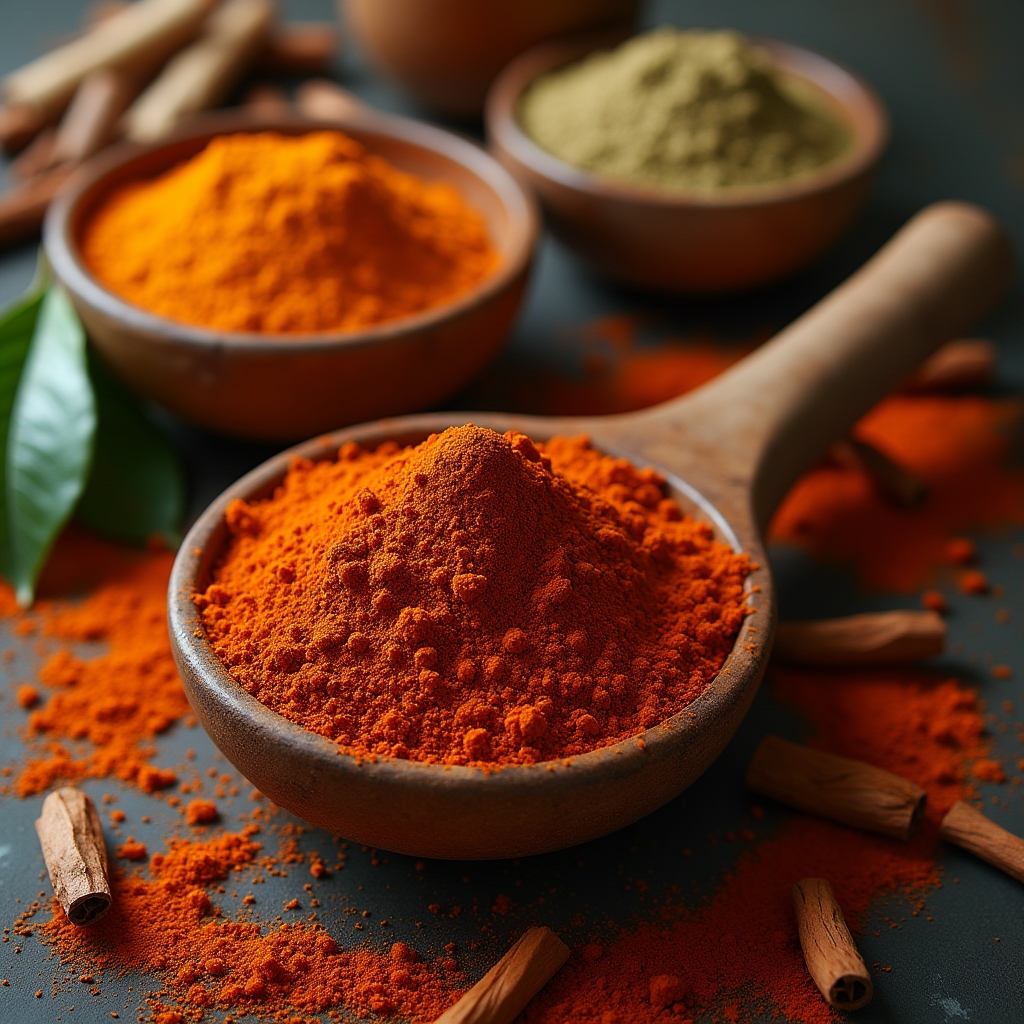
“Spices are the heart of Arab cuisine, providing the taste and scent of a royal feast.”
In addition to the health and taste benefits, spices in North Africa are also part of the local medical tradition. They also serve as a natural remedy for a variety of health issues such as digestive problems, migraines, and more. Therefore, the use of spices in Arab cuisine is not just a matter of taste and scent, but also of health and well-being.
In summary, it can be said that spices in North Africa are an important and integral part of traditional cuisine in this region. They add taste, scent, and health to dishes, and preserve vital diversity during meals. Thus, they are an important part of the eating culture in the region and influence the health and well-being of residents.
Spices in the Arabian Peninsula
In the Arabian Peninsula, spices are an integral part of the kitchen and culture. They are used to enrich the taste, scent, and color of food, and also contain various medical and health properties. In the Arab world, spices are highly valued and are used to prepare a wide variety of fresh and tasty dishes.
“Using spices in dishes can add a new level of pleasure and focus to the dining experience.”
David Cohen – Food Expert
Arabian spices include a wide variety of herbs, seeds, and roots used to prepare a wide variety of dishes. Each spice contains different active ingredients that give it its unique taste and scent. Arabian spices are considered to be at least 50 different types, with each serving a different purpose in the kitchen.
Alongside the unique taste of spices, they also have medicinal and health properties. For example, many spices contain antioxidants and omega-3 fatty acids that help maintain heart health and prevent heart diseases. Additionally, there are spices that contain active ingredients that improve mental health and help reduce depression and anxiety.
Preserving the vital diversity of spices requires a sensitive and meticulous approach. They should be stored in sealed containers, protected from direct light and moisture. Also, it is important to use fresh spices and not to use dried spices that have been stored for a long time.
Spices in the Sinai Desert
In the Sinai Desert, spices are used not only as tasty additions to dishes, but also as therapy for the body and soul. Preserving the vital diversity of spices requires care and attention to detail. In order to maintain their quality and unique taste, it is important to store them correctly and use them properly.
The natural spices found in the Sinai Desert are used to treat a variety of health problems, such as stomach aches, headaches, and digestive issues. They contain active ingredients that help alleviate symptoms and treat the root cause of the problem.
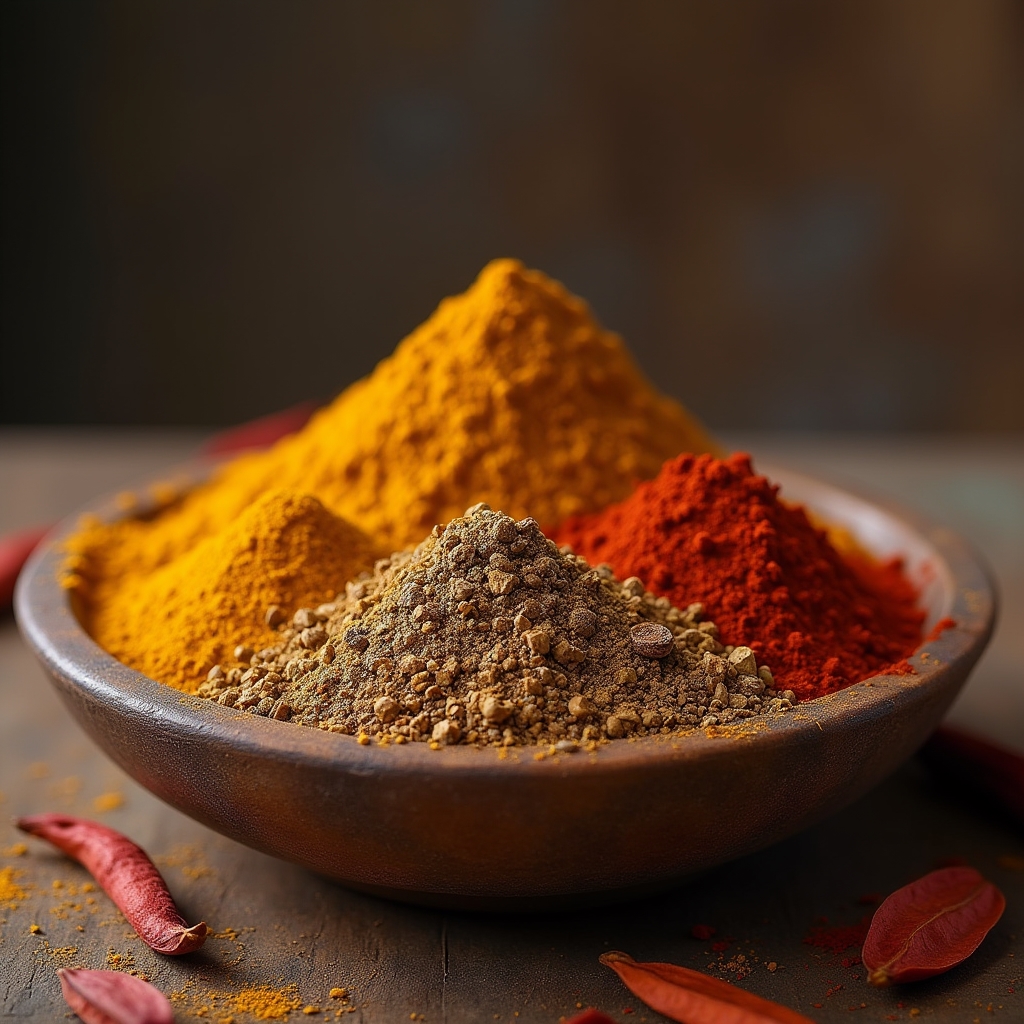
“Rich spices are essential for the palate and sensorial stimulation.”
Some of them also have calming and healing properties that help reduce stress levels and maintain body and soul care. Spices like cumin, cinnamon, and oregano contain active ingredients that improve mental state and help reduce depression and anxiety.
Preserving the vital diversity of spices requires a sensitive and considerate approach. They should be stored in closed boxes and their exposure to direct light and moisture should be minimized. Additionally, it is important to use fresh spices and not to use dried spices that have been stored for extended periods.